|
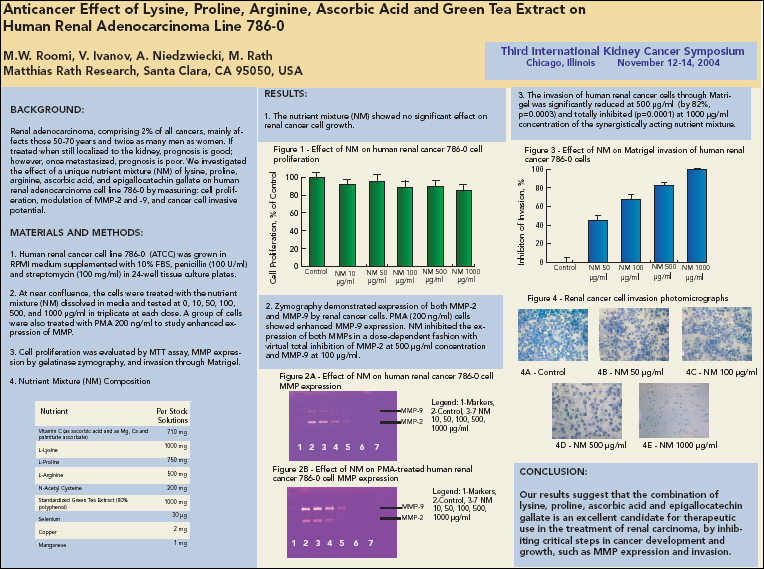
In a population-based prospective cohort study involving 4,877 women, aged 20-75 years, diagnosed with invasive breast cancer, results indicate that supplementation with vitamins E, C and multivitamins shortly after diagnosis, may be associated with reduced risks of mortality and recurrence. {Comments: In this study close to 5000 women diagnosed with invasive breast cancer were interviewed approximately six months after diagnosis, and then followed-up with later interviews. It was noted that the women who used vitamin supplements, (especially vitamins C, vitamin E, and a combination of multivitamins), had a 22% reduced risk of recurrence and an 18% reduction in the risk of death. It is important to note that such inverse association was found regardless whether these women took the vitamins while undergoing chemotherapy or not. However, the association was valid only in the patients who did not receive radiotherapy. Contrary to the popular notion, the authors recommend that the breast cancer patients should use vitamin supplements. It has been proven in several studies that antioxidants do not feed cancer cells; in fact, they deprive the cancer cells of their nutritional supply. After decades of denial, in another radical study, researchers are now looking with a new perspective at the role of antioxidants in cancer. Advancements in genetic research has confirmed for the first time that oxidative stress induced by free radicals, causes loss of tumor suppressor genes, and therefore fuels growth of cancer cells. The researchers have shown that loss of the tumor suppressor protein, Caveolin-1 (Cav-1), induces oxidative stress in cell organelles (mitochondria). Such oxidative stress is the process that fuels initiation of cancer cells in most common types of breast cancer. The only downside of this study is that they are looking at the drugs as antimalarial and anti-diabetic drugs that may have antioxidant actions to treat cancer. It is very well known that the antioxidant pool in the body declines during chemotherapy treatment. Therefore it becomes more important to restore that and aid the process of recovery. There are several nutrients that have antioxidant potential, are safe to use, and proven to be effective. At present, the national cost of cancer care is $124.57 billion and is expected to rise by 39% to $173 billion by 2020. The temporary decline in breast cancer rates after discontinuation of hormonal therapy in 2002 has not continued. According to the latest report, breast cancer rates have continuously increased since 2003, ranging from 2-5% in different groups of women and types of cancers. At this time more emphasis should be given on confirming the effectiveness of antioxidant nutrients with more clinical trials. Nutritional supplement use during cancer treatment is currently controversial. It is unfortunate that the pharmaceutical companies are focusing on patent worthy "antioxidant drugs." For more than a decade, Dr. Rath and his scientific team has proven the effectiveness of antioxidants in cancers and many other chronic diseases. Dr. Rath's Cellular Medicine research focuses on diseases at the cellular level and exploring natural ways to correct the root causes of those diseases. This approach has provided the basis for the development of strategies to inhibit cancer development, progression, and metastasis with vitamins and other natural substances. The laboratory studies at the Dr. Rath Research Institute have used more than 40 different types of cancer cells to study the synergistic effect of nutrient combination including vitamin C, lysine, proline, green tea extract, quercetin and many others. The cancer research was initially presented at the 19th and 20th Annual Miami Breast Cancer Conferences, in 2002 and 2003, and many other national and international medical conferences thereafter. The abstracts and publications are available at www.drrathresearch.org. To understand more about Dr. Rath's research please also visit: http://www.wha-www.org/ and http://www.cellularhealthtraining.org/} Source: http://www.vitasearch.com/get-clp-summary/39491
|